

Fosi Audio i5
The Fosi Audio i5 are premium open-back planar magnetic headphones designed for audiophiles and audio mixers seeking high-end resolution, speed, and soundstage at a competitive price point. They deliver an open, highly detailed, and airy musical performance.
OVER-EARS
Luis Jimenez
Disclaimer
The i5´s has been sent by Fosi Audio, a big shout out to Scott for arranging the shipment of this unit for my review. I really appreciate their support to bring you content about their products.
All of my opinions are my own; I do not receive any payment to promote any product in an unethical manner. And this case was no exception.
My video review: SLP Fosi i5
You can buy them directly on their Website:
Fosi Audio i5 - Price $549 USD
Pros
Wide soundstage
Premium build quality
Relatively easy to amplify
Very comfortable despite their weight
Cons
The cable feel a little stiff
Lack of sub-bass for some people
Accessories
1 pair of i5 headphones
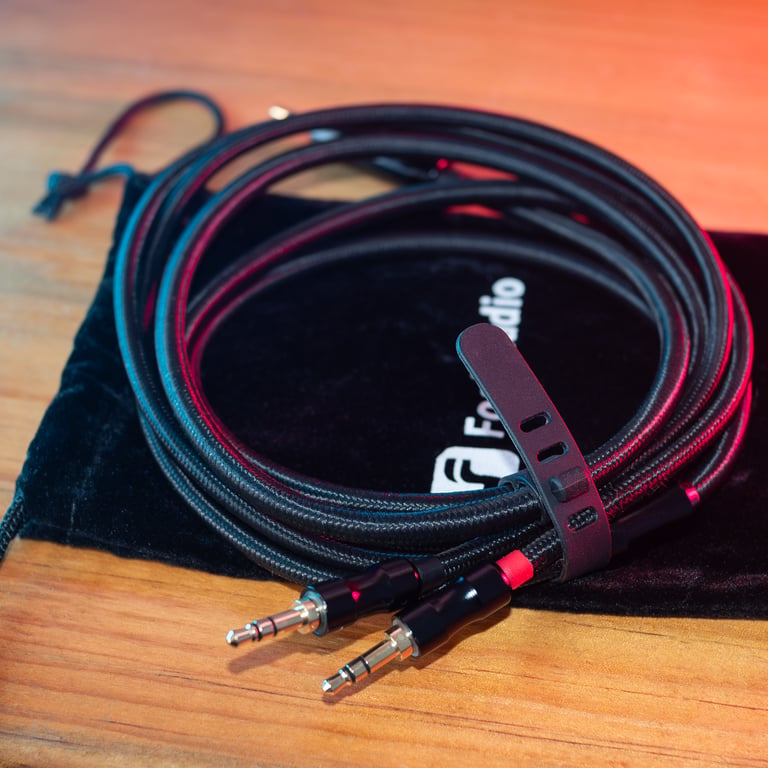
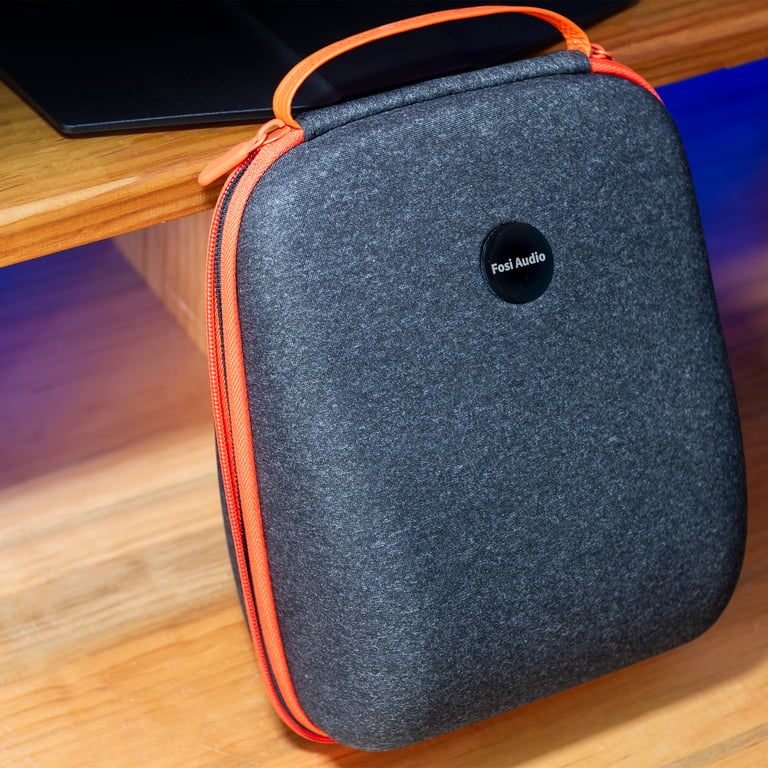
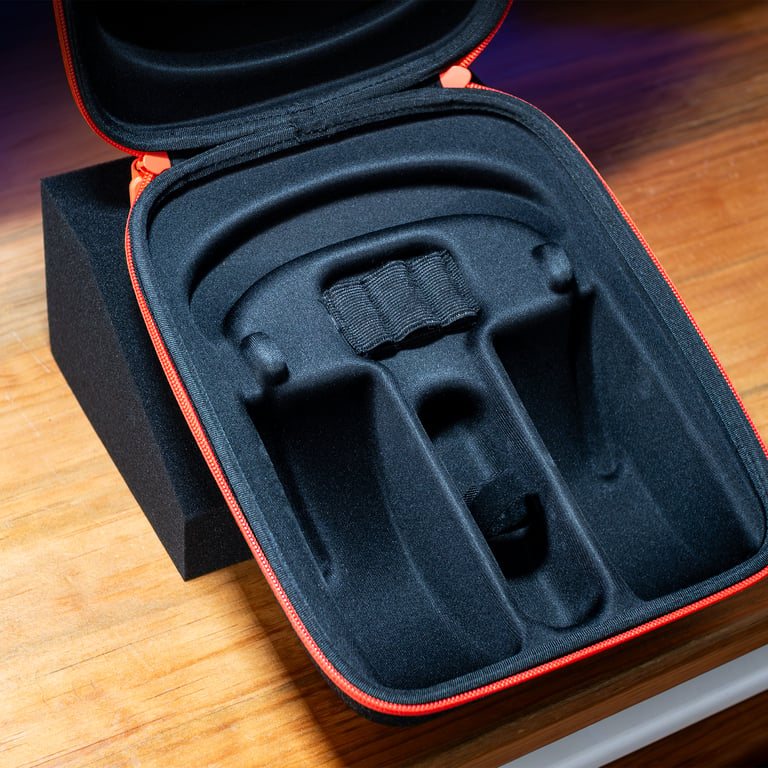
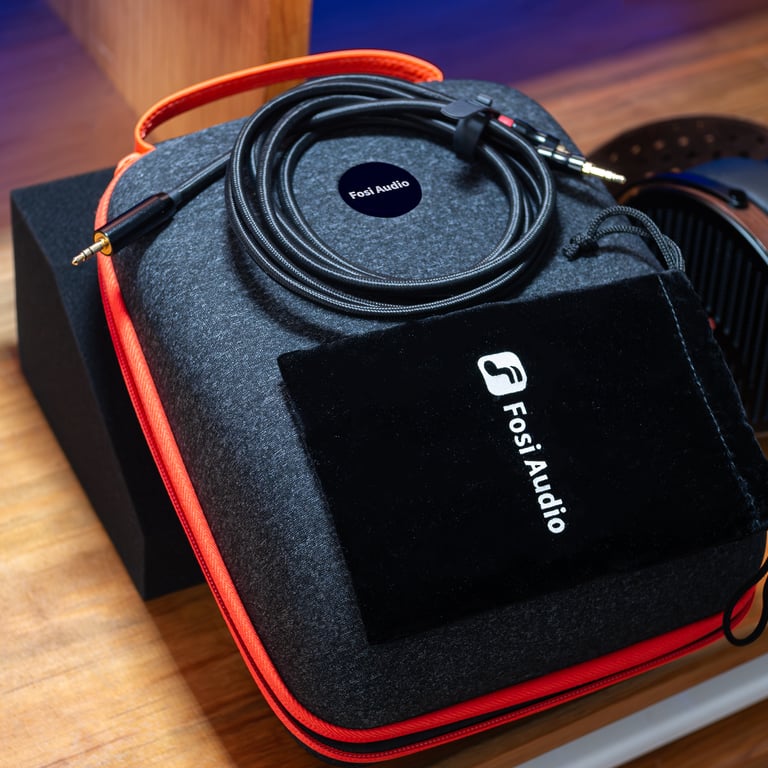
150cm 3.5mm cable + 6.35mm adapter + carrying case
Headphone carrying case
Quick start guide
Technical specifications:
Model name: i5
Transducer Type: Planar magnetic 97 mm
Frequency response: 10 - 50,000 Hz
Sensitivity: 98 dB/mW @1kHz; Nominal Impedance: 28 Ω
Recommended: ≥ 500 mW
Maximum SPL: ≥ 120 dBSPL
Design
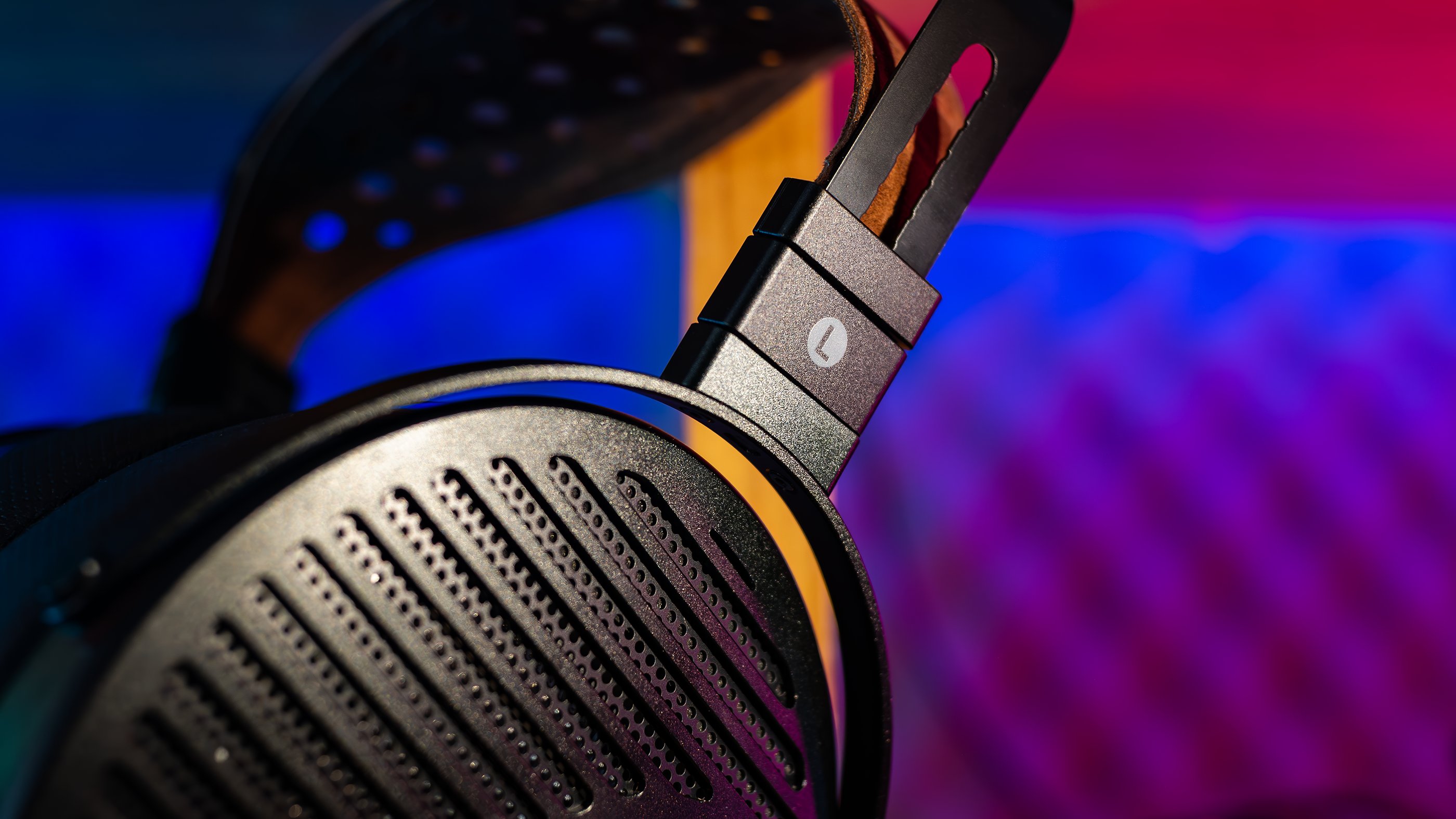
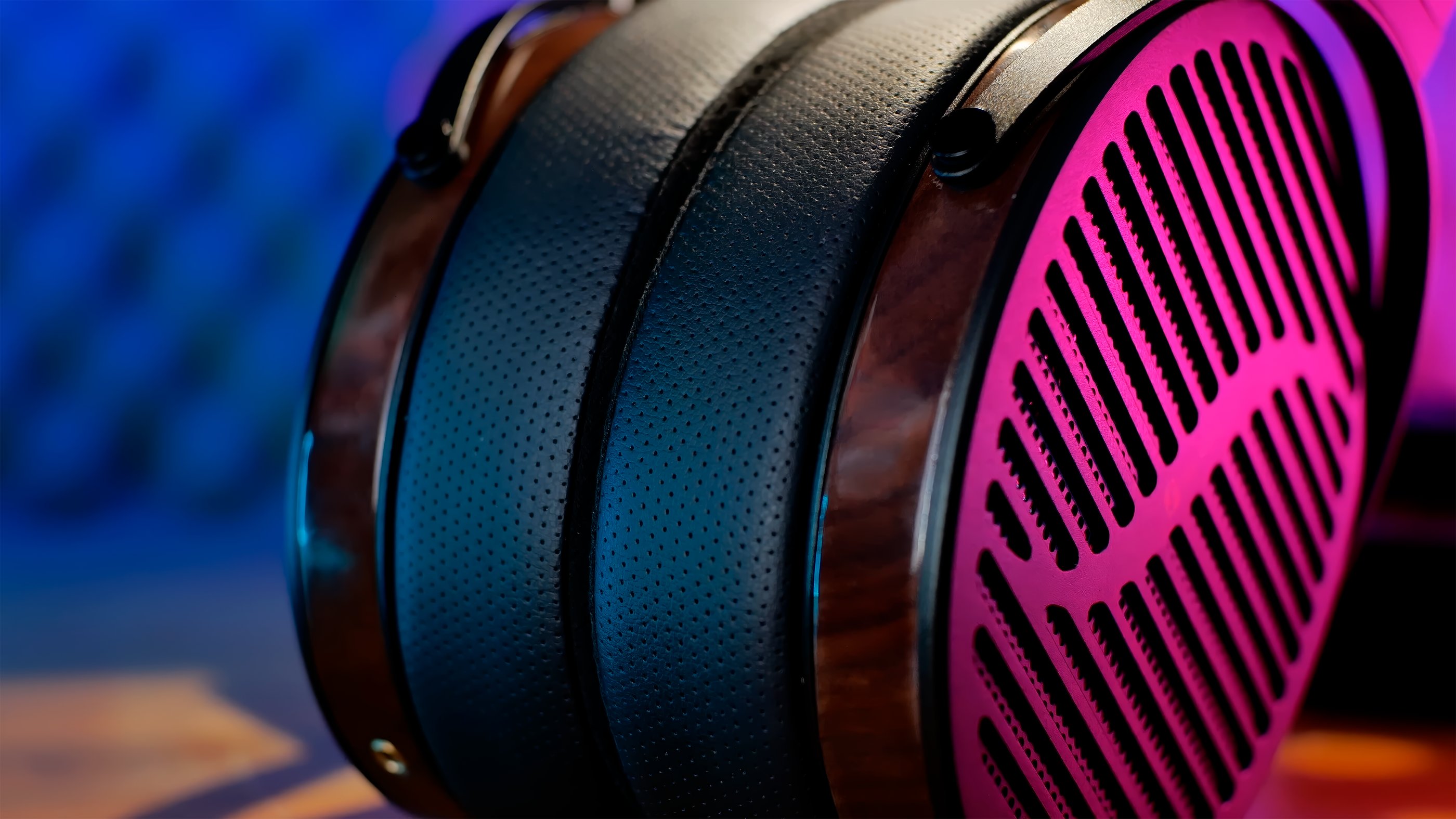
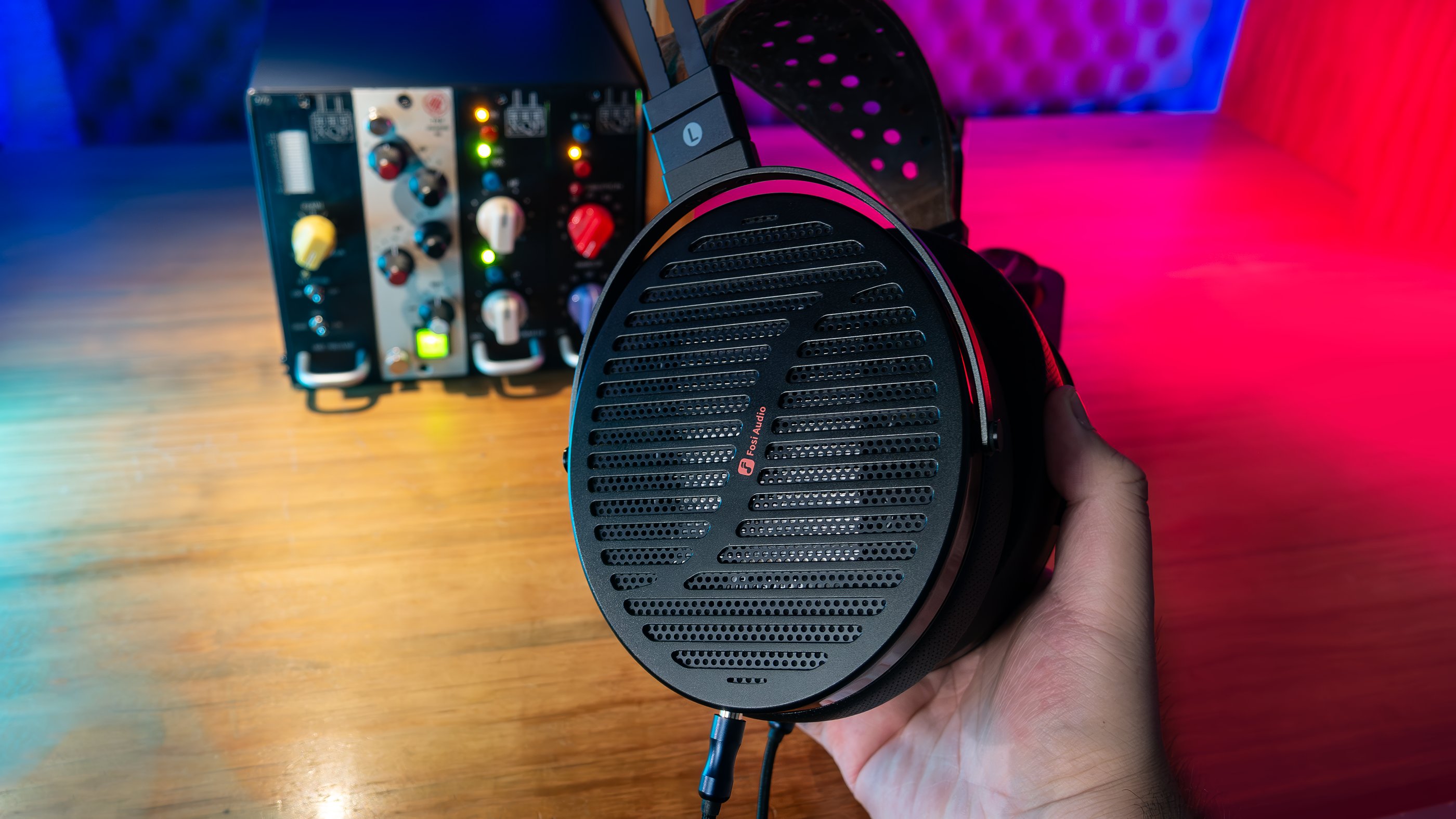
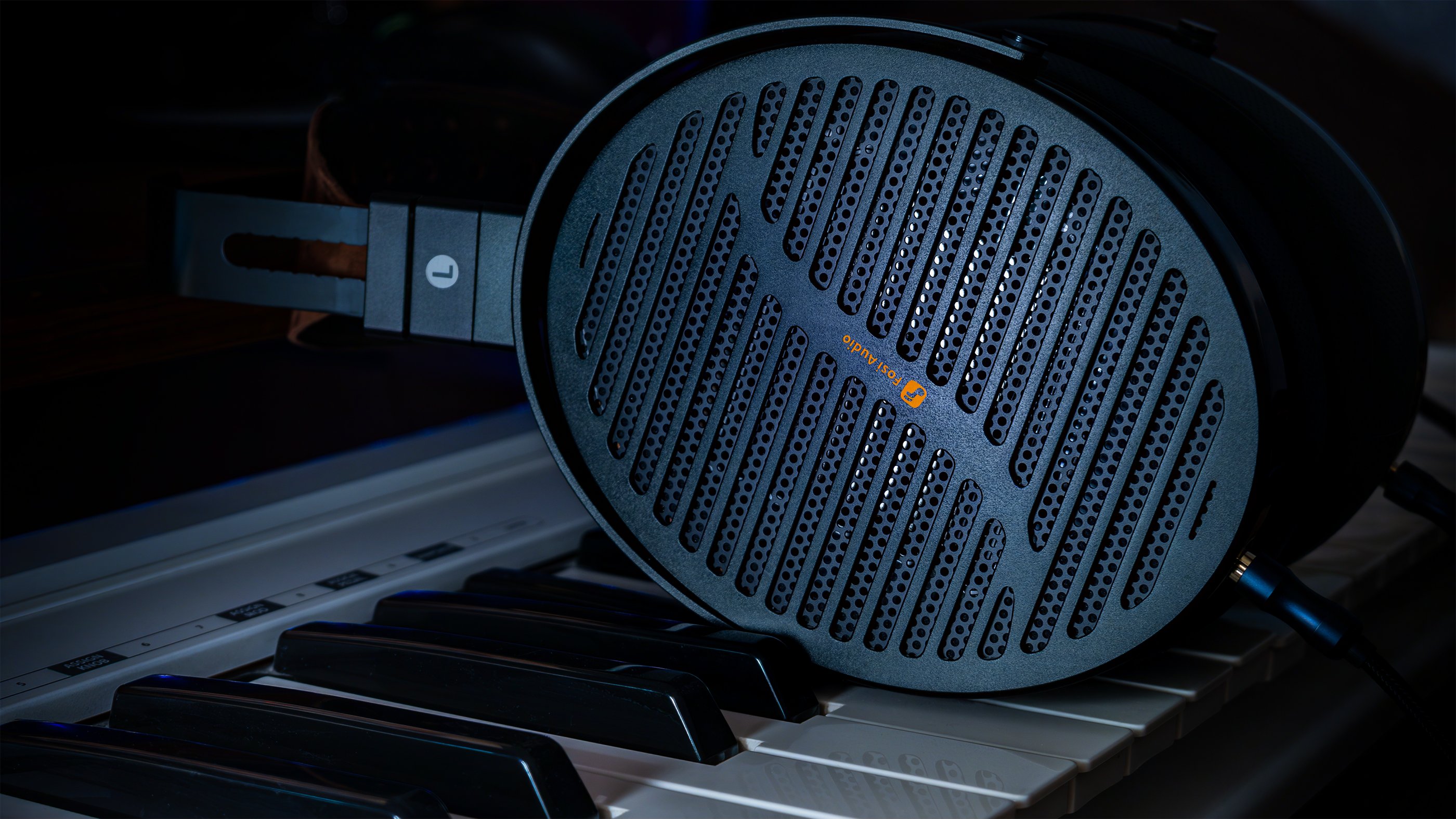
As for the design of these i5s, they’re quite sturdy. They’re massive, weighing in at 550 grams—which might seem like a lot for extended use—but the weight is actually distributed quite well across the headband, and the earpads are incredibly comfortable.
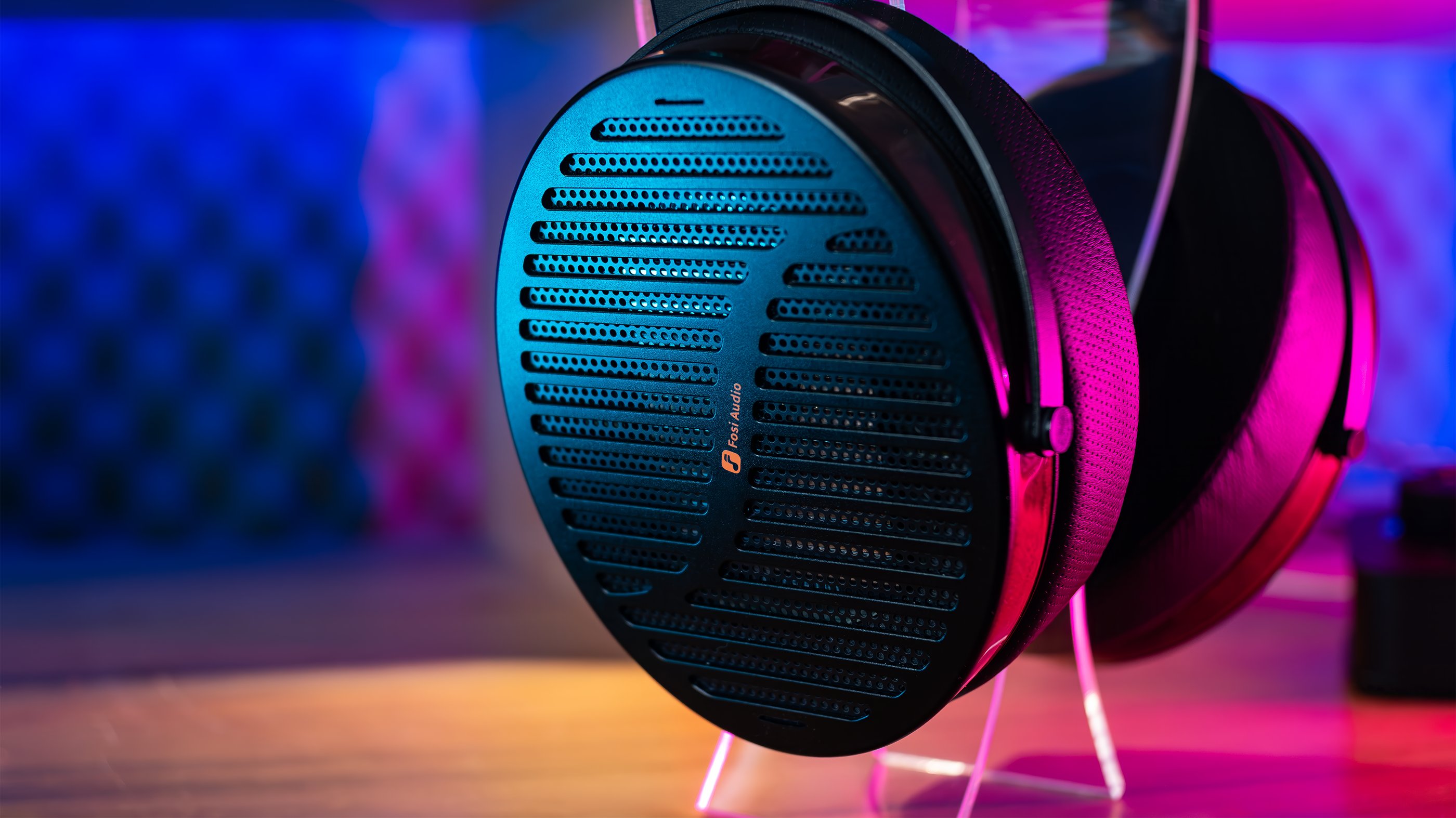
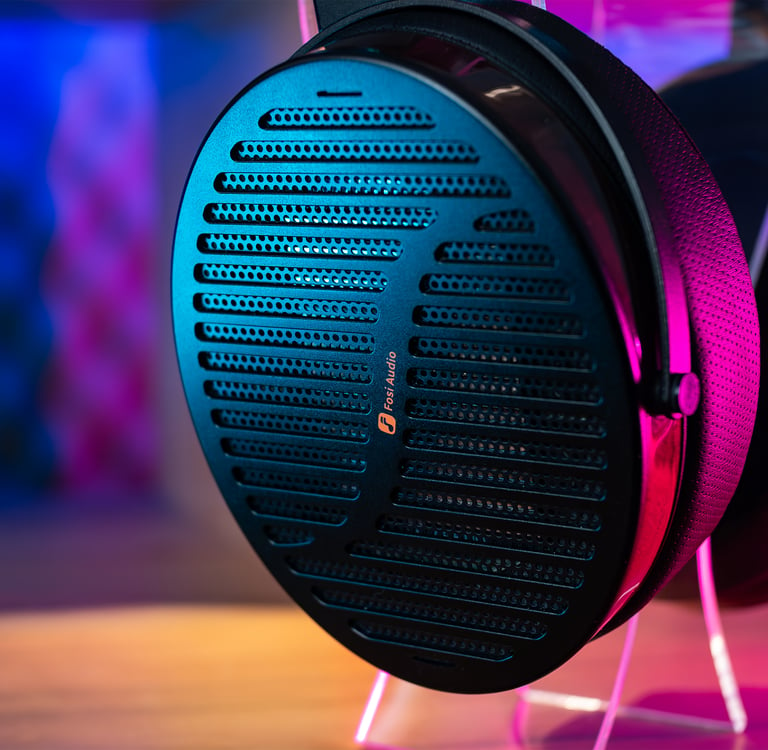
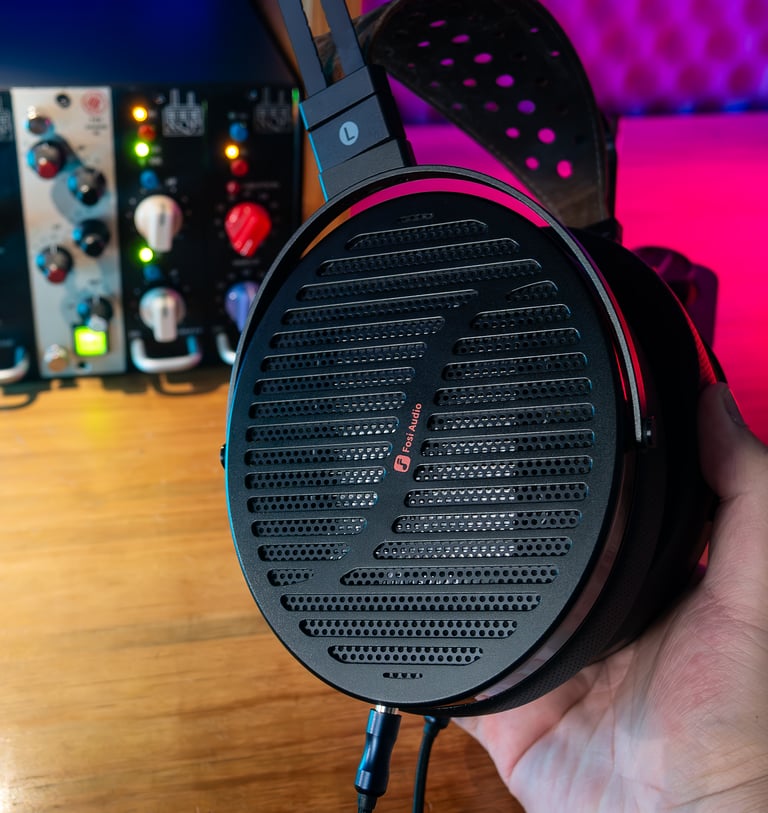
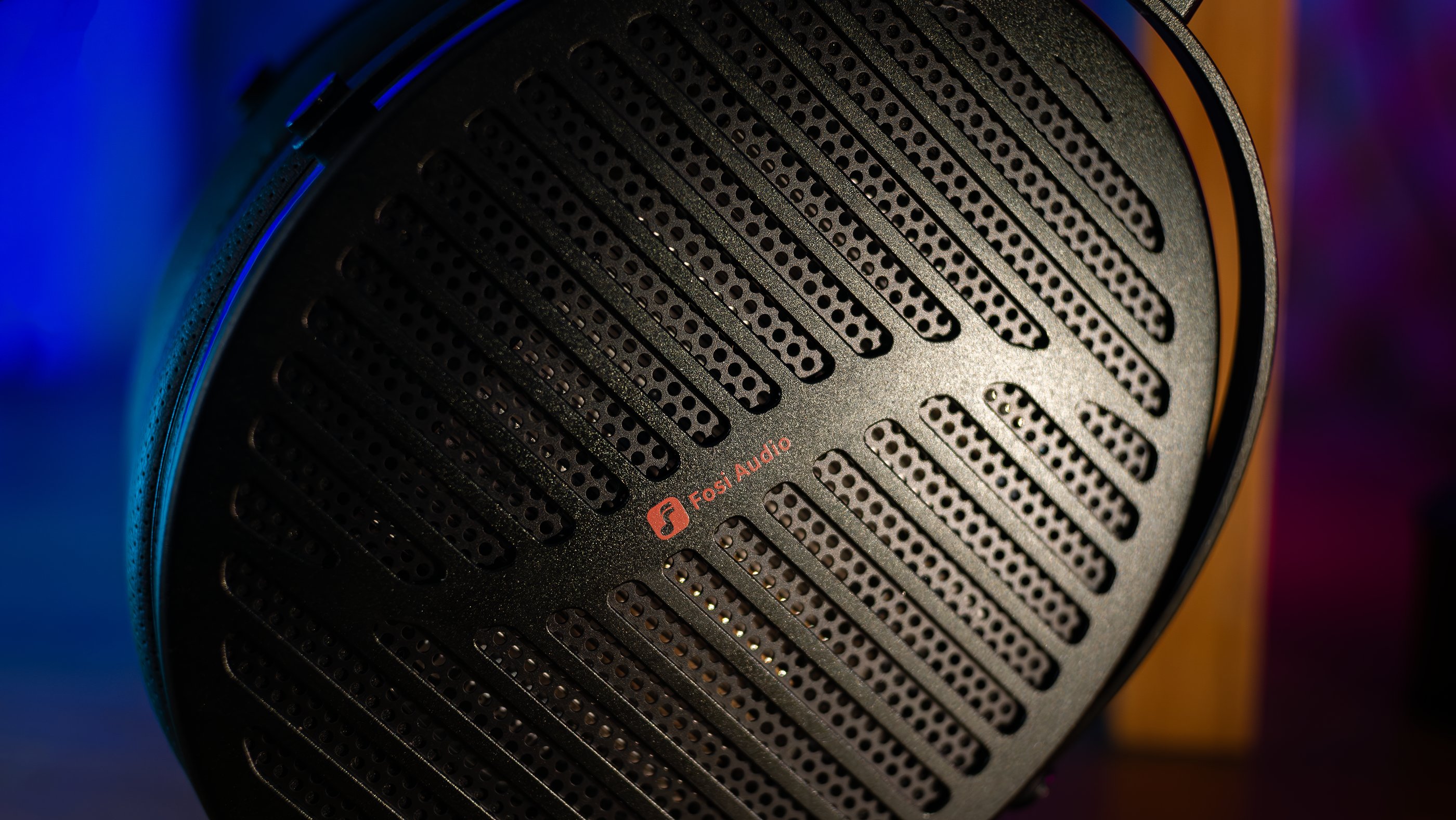
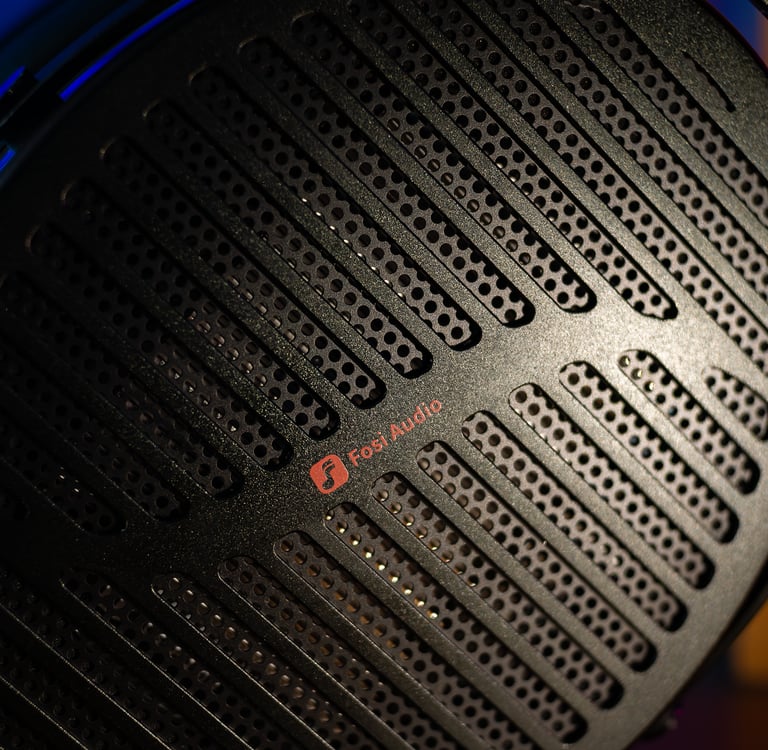
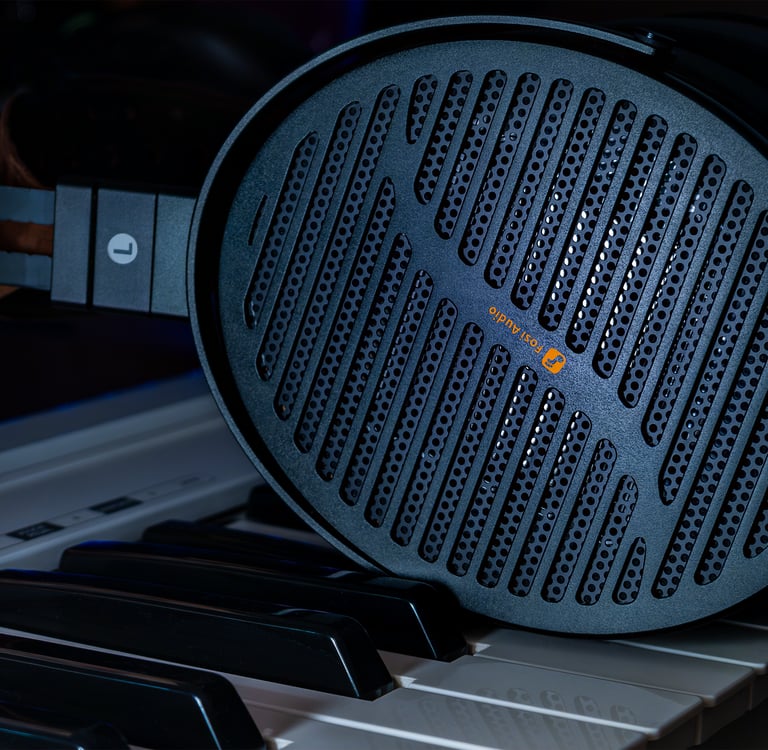
The outer surface reveals the planar driver, what looks like an “F,” and the “Fosi Audio” engraving.
They have ventilation holes; the first time I put them on, I felt heat almost immediately, but as the minutes passed, I could tell this design was doing its job.
The sliders, which allow you to adjust the fit to your head, don't click like other headphones; instead, they have a smooth feel with a slight resistance when you slide them.
They have these holes for ventilation; the first time I put them on, I felt warm almost immediately, but as the minutes went by, I could tell this design was doing its job.
Sound - How I perceive it?
I’m going to focus this review more on how I’m using them, which is for audio production, mixing, and mastering. I also use them for music and gaming, but with a greater emphasis on those areas.
First, this type of open-back design is quite common for this purpose, and it has its pros and cons.
Because of the open-back design, we avoid driver distortion by having space to release pressure, giving us a wider sense of soundstage that can be more akin to using studio monitors.
If you live on a busy street or in a busy city, in addition to air conditioning, noise will be a problem because with this open-back design, you’ll hear all the ambient noise, making it hard to focus on what you’re listening to.
Given the size of the ear pads and how your ears are almost suspended between the driver and this part, I thought the sound would seem distant, but that’s not really the case.
Depending on the track we’re listening to and its mix/production, the vocals and instruments still come across as close or distant just as intended.
If we’re listening to just vocals on a podcast, for example, there’s a slight room reverberation that you don’t get with IEMs—it’s quite subtle, but you don’t get that proximity effect you’d hear with the Shure SM7B, which is the most commonly used mic for that.
Most of the time I used them with the Fosi K7, which can easily drive the i5s and also features an EQ to adjust the bass and treble, though I’ll share my impressions of their sound without this DAC’s EQ.
Overall, they have a warm sound, with a strong presence especially in the lower midrange, which prevents them from sounding as “thin” as most planar magnetic headphones of this type.
Bass
Based on the design of these i5s and my experience with the K702s, I had a hunch that the bass would be minimal, but to my surprise, it does have punch and presence—especially in the lower midrange. That said, almost all the detail is lost in the sub-bass.
In the first version of this i5, the bass had even less presence, which was later improved with this rubber ring placed between the driver and the earpads.
As expected from a planar driver, the response is extremely fast, though it lacks that characteristic punch of a dynamic driver.
You can hear the vibration of an electric bass string quite clearly; they have enough depth to separate the sustained bass from the kick drum quite well.
Mids
The mid range sound a bit recessed and somewhat distant compared to the bass and treble. Thanks to their warm sound signature and presence in the lower mids, voices do sound somewhat natural and have enough body.
The first time I listened to these headphones, I noticed a fairly pronounced peak in the upper midrange frequencies, which made voices sound nasal. This changed after the burn-in period; it was corrected, though I still notice a slight peak between 1-3 kHz. It doesn’t bother me, but I have to mention it.
Treble
Like most headphones with planar magnetic drivers, they can’t be fully appreciated on the first listen; I highly recommend burn-in them in for at least 50–80 hours to get the best sound possible.
Before the burn-in, the highs—just like the mids—sounded a bit sharp to me, with the occasional sibilance. Although they have a fairly pleasant roll-off in the highs and don’t have as much extension as most planar models, this was still audible.
They’re smooth and not at all tiring to listen to during long sessions, but they can sound thinner and more prominent if used with a source lacking sufficient amplification power.
If you’ve seen other reviews on my channel, I’ve mentioned that I consider myself a treble head; I still miss that airiness in the higher frequencies, but I can understand that the signature they chose was a safe bet and will appeal to everyone.
SOUNDSTAGE
The standout feature of these Fosi i5s is their soundstage and sense of spaciousness.
They offer excellent layering in terms of depth—you hear the vocals in the center, and both in the background and foreground, you can clearly distinguish the layers of each track.
They don’t provide as much of a sense of height, but in terms of width, this planar driver achieves quite good separation.
They’re excellent for competitive gaming; I’ve never heard such precise sound positioning. You can clearly hear and pinpoint where sounds are coming from around you—again, not so much in terms of height, but they do a pretty good job of representing reverberations and the environments from which the sound originates.
The only complaint is that if you plan to use them for gaming for several hours, they might get tiring due to their size and weight; other than that, they’re highly recommended for gaming.
Mixing & Mastering
For mixing and mastering, they’re highly recommended for their precise reproduction of the soundstage. However, they lack presence—especially in the sub-bass—to be considered a well-rounded product for that purpose.
With the K702s, I always used Sonarworks’ Sound ID to compensate for their lack of bass and attenuate the treble, since they’re from a brand like AKG. Sonarworks includes several models from that brand in its list of correction curves, but I haven’t found any correction software that includes these Fosi models in its list.
We could use APO software on Windows with a profile downloaded from Auto EQ and apply it to the entire output system, but that software doesn’t sound as good to me compared to Sound ID Reference.
I’ll mention this to the folks at Fosi to see if they can reach out to the people at Sonarworks, because I think they could reach a wider audience if they added their products to this compatibility list.
But yes, I highly recommend them for this purpose if you want to use them for mixing and mastering, especially if your room’s acoustics aren’t well-treated. You’ll still need to use monitors to properly position the bass in your mix.
Power requeriment:
As for amplification, Fosi recommends at least 500 mW to get the best possible sound from these i5s.
I used them with the Fosi K7 via the 4.4mm output, which delivers up to 2100 mW in high-impedance mode. They sounded pretty good through the 3.5mm output, but the 4.4mm output gives them more body in the bass and treble.
For mixing and mastering, I used them with my Audiofuse interface, first via the 6.4mm output and then by combining the interface with the K7. On the DAC, I used the optical input, which allowed me to get the best possible sound from the i5s while maintaining the interface’s connectivity with production software.
With this K7, the sound becomes slightly warmer but not to the point of muddying the lower midrange, and it also opens up the stereo image slightly more.
We can boost the bass directly from this DAC, but I don’t see it so much as a “solution” to its lack of sub-bass because this EQ, having fairly broad curves, will modify the range from the lower midrange downwards, and to my taste, the sound becomes much warmer even when starting with the treble EQ.
With the Fiio KA13, you can get up to 550 mW through the 4.4mm output with desktop mode enabled.
While it drives them quite well, I do feel they need a bit more amplification to get the fullest sound out of these i5s. And with this DAC dongle, we get a clean sound that’s a bit more open in the high frequencies. The K13 is quite usable if you want to take these headphones on the go.
With more modest cell phones and DAC dongles, they’re still usable, and you don’t have to crank the volume all the way up to get enjoyable sound levels, but as I mentioned earlier, the sound is a bit thinner.
Conclusion
I think these are excellent headphones for the price; their build quality seems superior to that of their competitors in this price range, and I’d even go so far as to say they’re a cut above.
They’re quite well-made for being Fosi’s first model in this planar magnetic format, and they’re relatively easy to drive given their price and specs. They offer a wide and precise soundstage for music production if that’s what you’d use them for.
I highly recommend burning them in to get the best possible sound before enjoying them to the fullest, as well as using a 4.4mm cable, especially to be able to listen at more moderate volumes.
Thanks to Fosi Audio for sending me their product so I could write this review.