

COZOY D1
Featuring a single graphene driver, it delivers an "unusual" tuning. Cozoy returns with an impressive IEM under $40 USD for those who want good quality daily earbuds.
IEMS
Luis Jimenez
Disclaimer
The D1´s has been sent by COZOY. I really appreciate their support to bring you content about their products.
All of my opinions are my own; I do not receive any payment to promote any product in an unethical manner. And this case was no exception.
My video review: SLP D1
You can buy them directly on their AliExpress Official Store:
COZOY D1 - Price $29-35 USD
Pros
"FUN W" tuning, non fatiguing for long periods of listening
Very comfortable
Extremely easy to drive
Cons
Eartips could be bigger
Thinner cable
Accessories
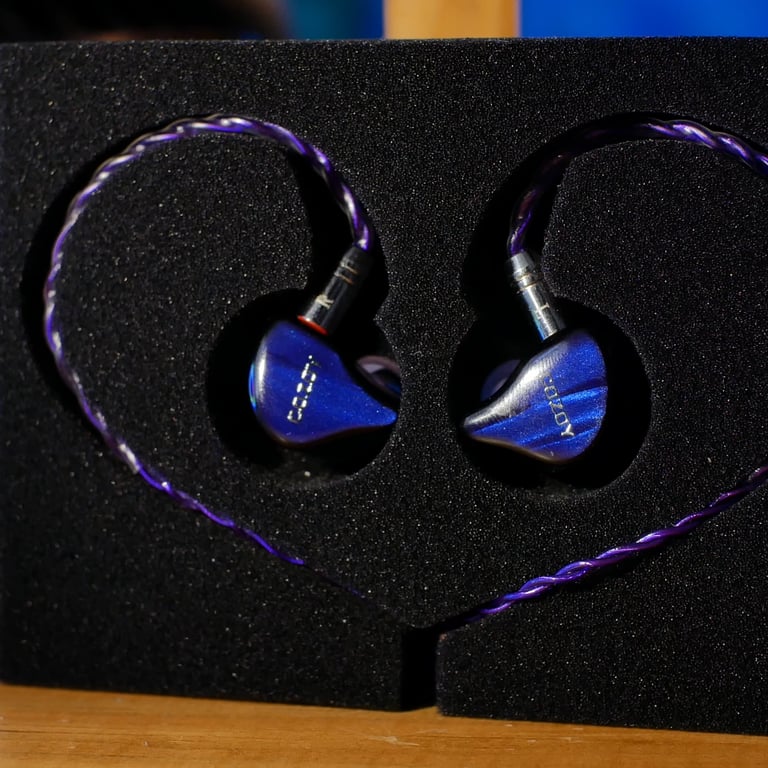
Cable - Purple 120cm 0.78mm
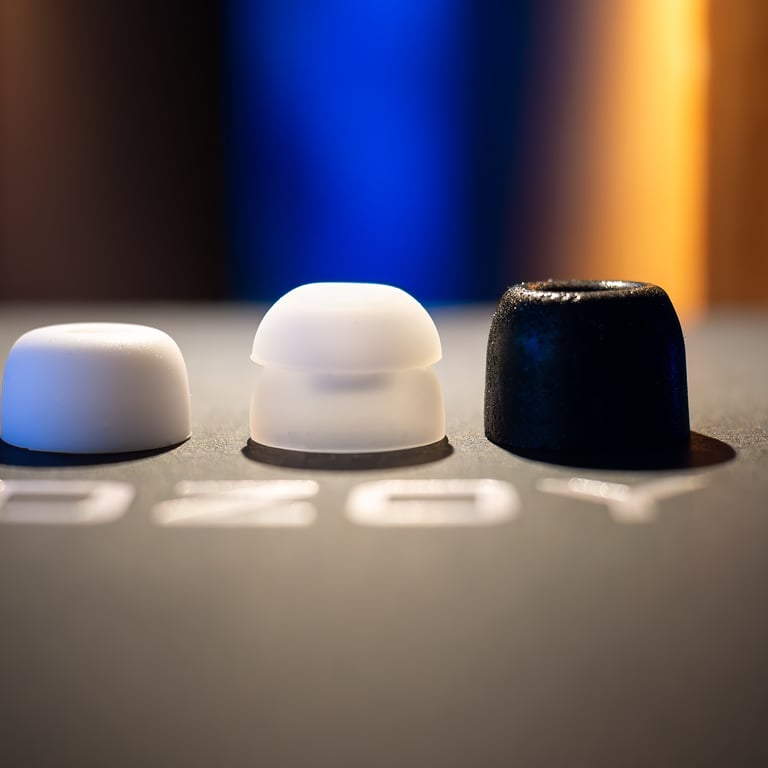
Eartips - 3 pairs wider bore - 3 narrow bore - 2 pairs double flange - 1 pair foam
Instruction manual & warranty card
Technical specifications:
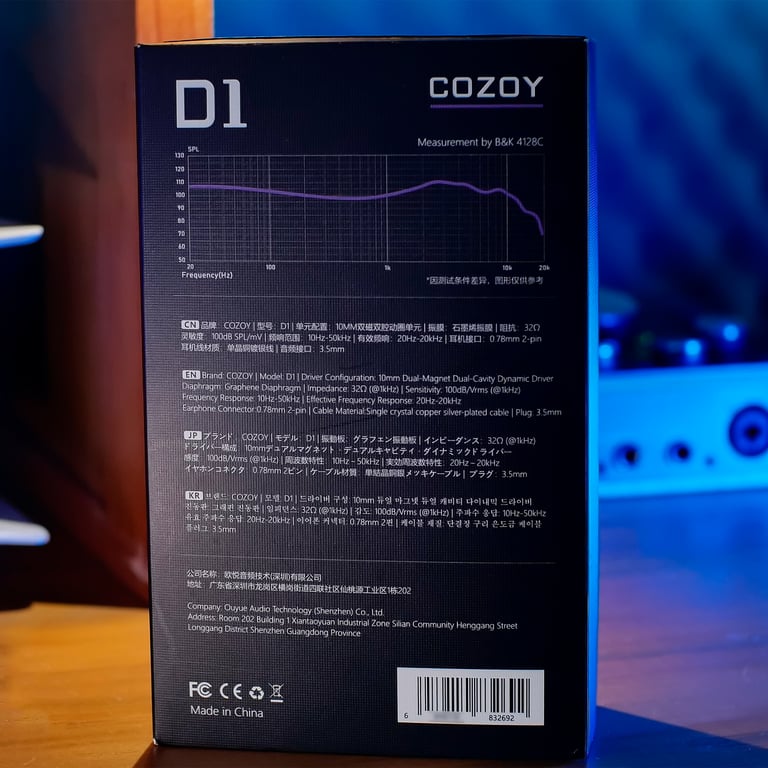
Driver Configuration: 10mm Dual-Magnet, Dual-Cavity Dynamic Driver
Diaphragm Material: Graphene
Impedance: 32 Ω @ 1kHz
Sensitivity: 100dB/Vrms @ 1kHz
Frequency Response: 10Hz – 50kHz
Shell Material: Medical-grade Resin (3D Printed)
Design
One thing I really liked about these D1s is how they fit and feel when you wear them; they’re very comfortable, and you can really wear them for hours without ever feeling any discomfort.
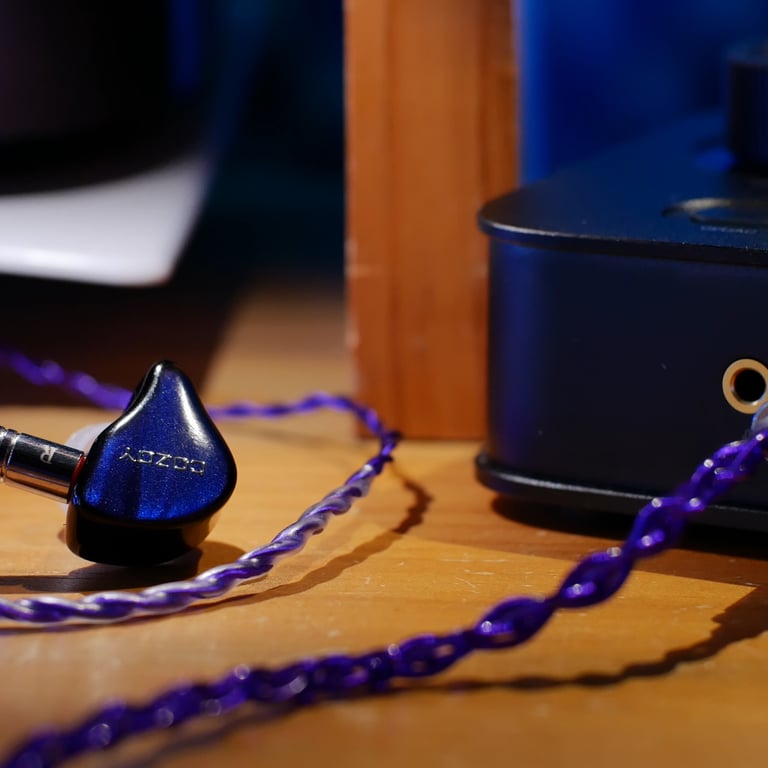
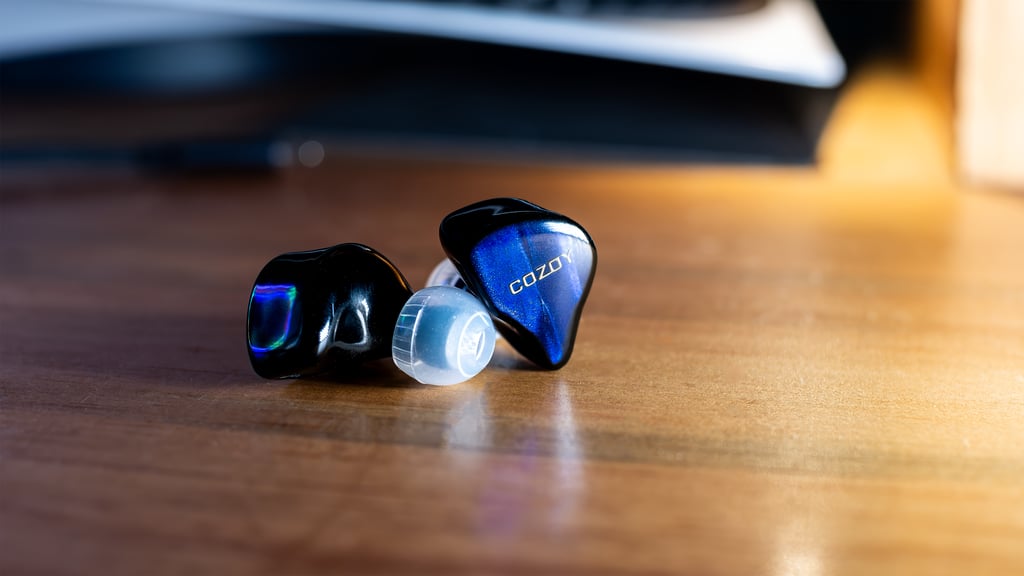
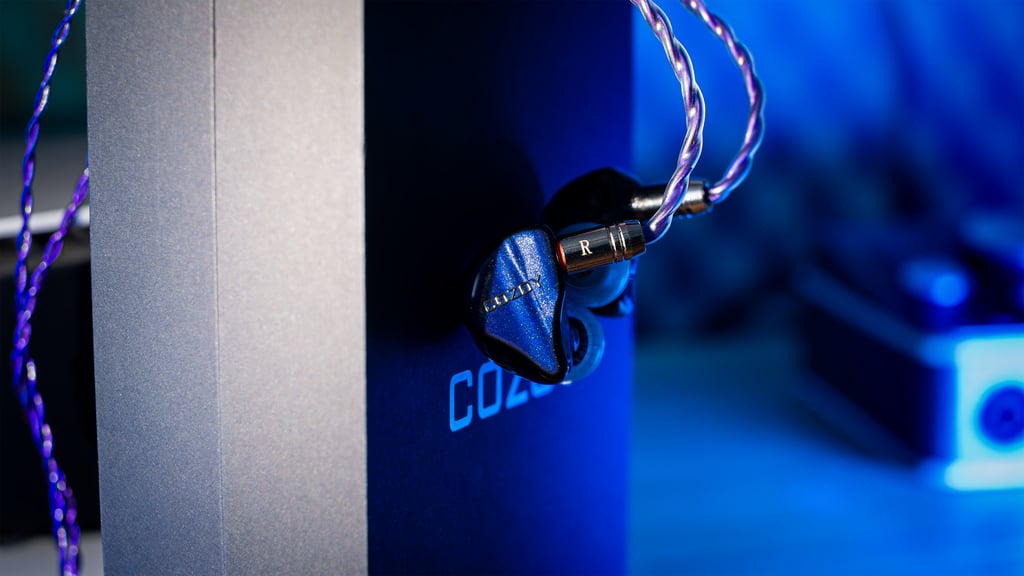
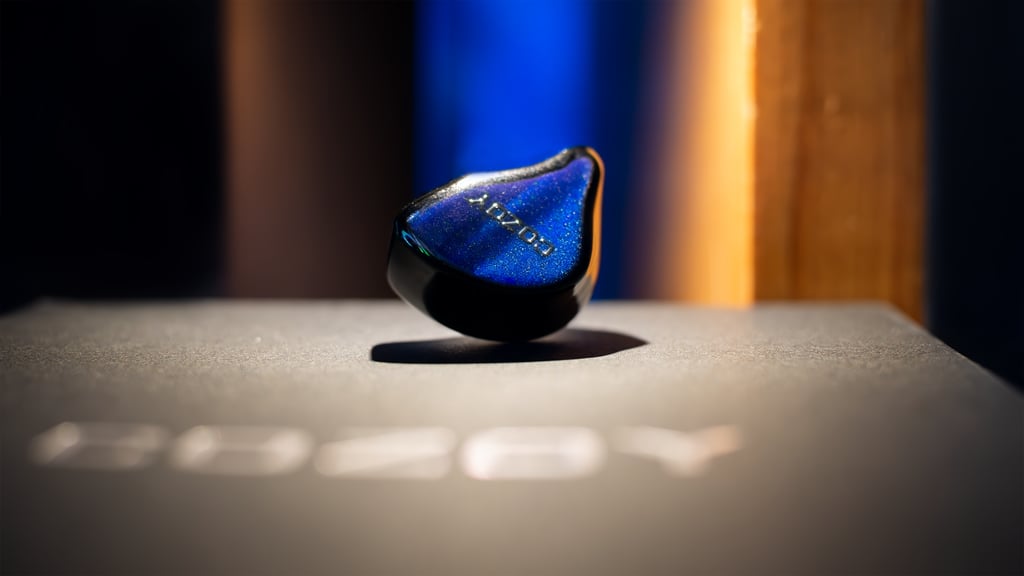
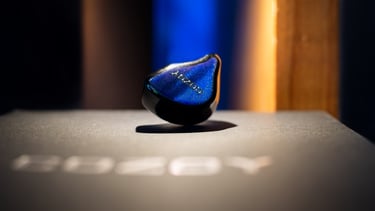
They’re this shade of blue with the name in the center, and the inside is a darker shade
The cable seems a little thin at the top; it’s braided, but I think a single tug could easily snap it. The connector part is a bit sturdy, but I still think it’s a little thin.

Sound - How I perceive it?
I’ve been thinking about how to put a new spin on what’s already been said in most reviews of these Cozoy D1s, but it almost feels like we’re all following the same script: they’re IEMs with a fairly balanced sound, a hint of sub-bass presence, reasonably clean bass with a controlled punch, mids that are more prominent than usual, and a slight peak in the treble.
Even though these IEMs come with a good selection of ear tips, none of the silicone ones fit me well enough, and I’m not a big fan of the memory foam ones.
I used some size L TRN-T ear tips, and with those I got the right seal.
Bass
The bass has a bit of extension into the sub-bass; it has good impact and sounds very controlled and natural in this frequency range.
Mids
Mids frequencies are a bit forward and they don't have much body. They sound somewhat natural, but in some songs I've noticed a slight distortion, especially in the upper-midrange around 4–5 kHz. It's very subtle, but it is noticeable.
Treble
The treble has a slight boost around 7–8 kHz; I think that if you’re very sensitive to treble, it might bother you. But this is only the case if you’re overly sensitive to that frequency range.
They don’t offer much detail in the upper range; sibilance is well controlled, but in voices with a lot of sibilance, it can still be noticeable.
Soundstage
I find the instrumental separation to be average; they have good stereo width in the vertical plane due to their slight treble boost. For gaming, they’re quite usable but aren’t the most precise.
Power requirement and pairing
I don't notice a very noticeable difference depending on the source I used them with.
-Fiio KA13 and the Fosi K7, the instrumental separation improves slightly, but the other frequencies sound pretty much the same as when I used them directly via the 3.5mm output on my iPod and cell phones.
In general, you can use them with any device and get good volume and sound quality that’s pretty much the same regardless of the source.
Conclusion
In conclusion, I think that this time around, most of us who reviewed them were in agreement: they seem like a great option for getting started in the hobby and for everyday use. For listening to podcasts, for example, they’re excellent thanks to their reproduction of midrange frequencies. They may not have that wow factor, but they’re a safe bet for listening to just about anything.